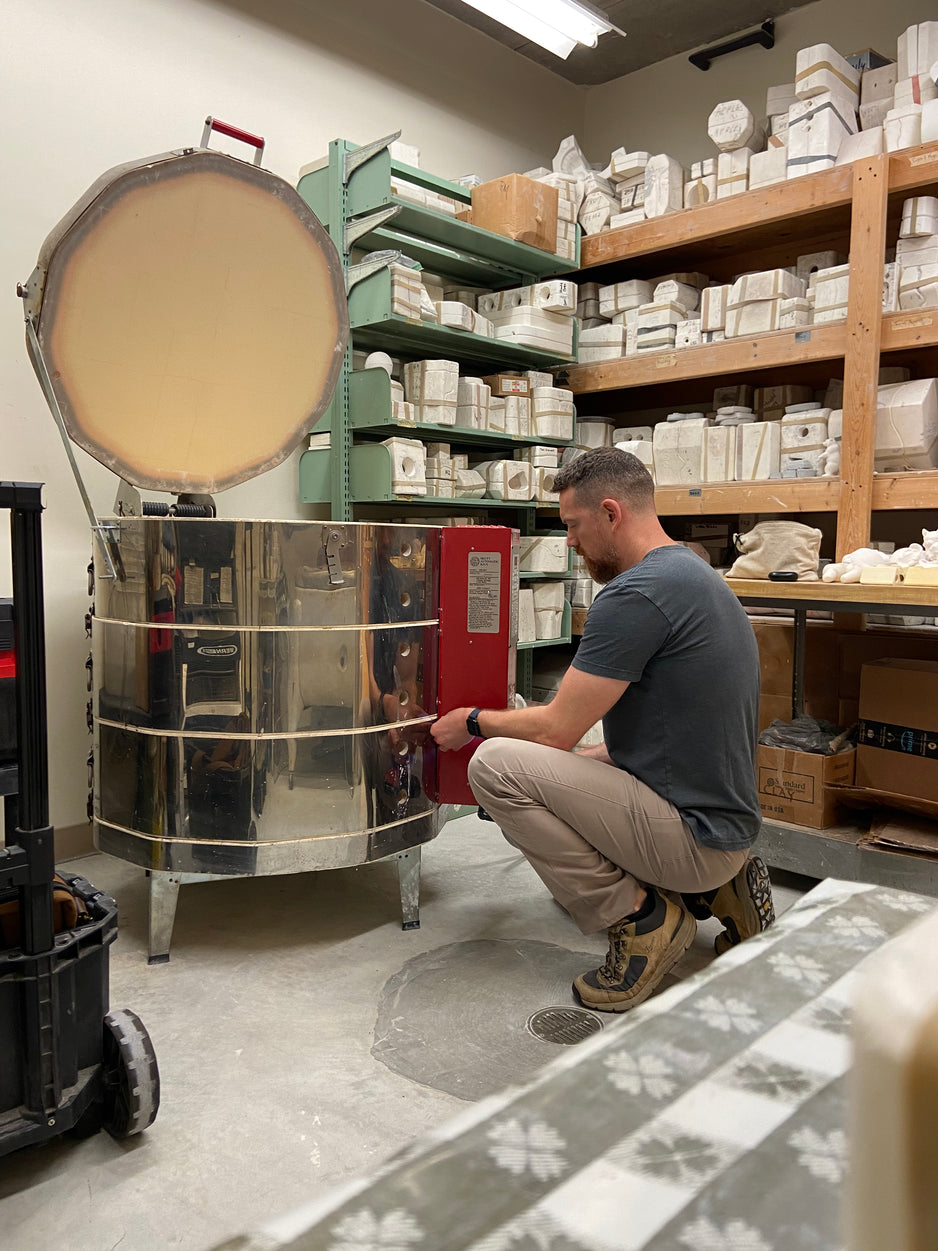
If you’ve ever pulled a piece from the kiln only to find uneven glazing, warping, or color inconsistencies, you know how frustrating it can be. The culprit? Poor heat distribution. A Ceramic Kiln that delivers consistent, even heat throughout the firing process can be the difference between a flawless finish and a disappointing result.
Let’s explore why even heat distribution is so important, what benefits it brings to your ceramic work, and how it impacts the overall quality of your finished pieces.
What happens when heat distribution is uneven?
When a kiln doesn’t distribute heat evenly, some areas get hotter than others. This creates hot spots and cold zones inside the chamber. Pieces placed in the hotter sections may overfire, causing glazes to run or crack. Meanwhile, pieces in cooler areas might underfire, leaving dull surfaces or incomplete chemical reactions in the clay body.
The result is unpredictable. You might open your kiln to find that half your batch turned out beautifully while the other half needs to be scrapped or refired. That’s wasted time, wasted materials, and wasted effort.
How does even heat improve glaze quality?
Glazes rely on precise temperature curves to melt, flow, and set properly. When the temperature is consistent across the entire kiln, every piece receives the same treatment. Colors develop more vibrantly. Textures come out smoother. Finishes look uniform from one piece to the next.
Even heat also reduces the risk of glaze defects like crazing, crawling, or pinholing. These issues often stem from inconsistent firing conditions. A kiln that maintains steady heat from top to bottom and front to back gives your glazes the environment they need to mature correctly.
Does even heat distribution affect the clay body itself?
Absolutely. Clay undergoes significant physical and chemical changes during firing. It needs to be heated gradually and evenly to avoid stress cracks, warping, or dunting. When one side of a piece heats faster than the other, the clay expands unevenly. This can cause structural problems that ruin the work entirely.
With a kiln that distributes heat evenly, the clay body matures uniformly. You get stronger, more durable pieces with fewer structural flaws. This is especially important for functional pottery like mugs, bowls, and plates that need to withstand daily use.
Can even heat distribution save you time and money?
Yes, in more ways than one. When your kiln fires evenly, you spend less time troubleshooting failed batches. You don’t have to refire pieces or toss out work that didn’t turn out. That means less electricity used, fewer materials wasted, and more productive studio time.
You also gain confidence in your firing schedule. Once you know your kiln delivers consistent results, you can predict outcomes more accurately. This makes it easier to plan production runs, meet deadlines, and manage inventory if you’re selling your work.
How does consistent firing impact your creative process?
Knowing that your kiln will perform reliably gives you the freedom to experiment. You can try new glaze combinations, test different clay bodies, or push firing temperatures without worrying that uneven heat will sabotage your results.
This consistency also helps you develop your skills faster. When variables like temperature and heat distribution are controlled, it’s easier to identify what’s working and what’s not. You can refine your techniques with confidence, knowing that the kiln itself isn’t introducing unexpected variables.
What role does kiln design play in heat distribution?
The internal design of a kiln has a huge impact on how heat moves through the chamber. Element placement, insulation quality, chamber shape, and airflow all contribute to how evenly heat spreads. Kilns designed with these factors in mind tend to perform more consistently over time.
Good insulation keeps heat from escaping through the walls, which helps maintain stable temperatures. Thoughtfully placed heating elements ensure that energy is distributed evenly rather than concentrated in one area. These design choices make a real difference in the quality of your fired work.
Why do professionals prioritize even heat in their kilns?
Professional ceramicists depend on consistency. Whether they’re producing functional ware for customers or creating gallery pieces, they need to know that their work will turn out as expected. Even heat distribution eliminates one of the biggest sources of unpredictability in the firing process.
For studios that fire multiple kilns per week, reliability is non-negotiable. A kiln that delivers even heat reduces the risk of costly mistakes and keeps production running smoothly. It’s an investment that pays off in better results and fewer headaches.
Final thoughts
Even heat distribution isn’t just a technical detail. It’s the foundation of successful ceramic firing. It protects your work from common defects, enhances glaze quality, strengthens the clay body, and gives you the consistency you need to grow as an artist or producer. If you’re serious about creating beautiful, durable ceramics, choosing a kiln that prioritizes even heat distribution is one of the smartest decisions you can make.